

1.0Introduction
An affected component may pause deposits, new books or new risk. Redemption remains accessible without a discretionary permission gate.
Retirement stops quoting, flattens inventory, recalls capital under venue rules and commits a final mark before full redemption.
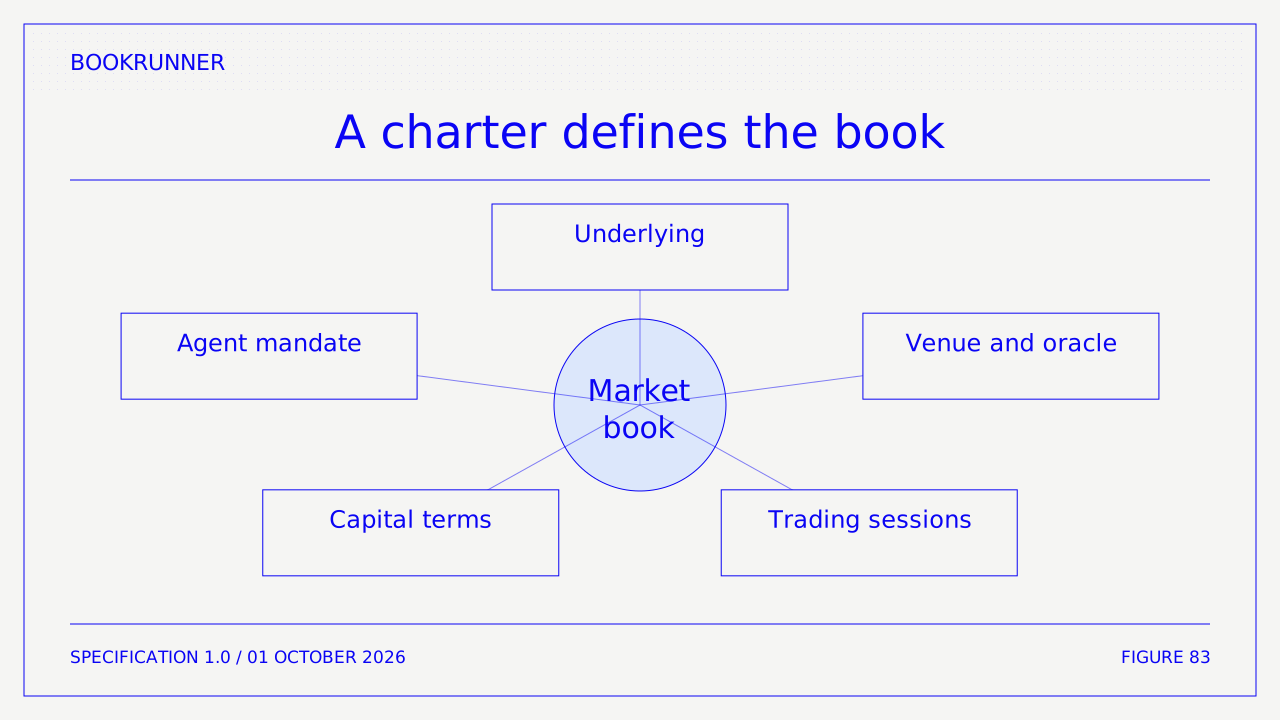
Underlying, venue, oracle, sessions, insurance-fund target, market-making inventory, mandate, Senior hurdle and cap, subscription window and Junior notice are charter fields.
Capital allocators subscribe to Senior and Junior tranches. A per-market book capitalises the market’s insurance fund and market-making inventory.
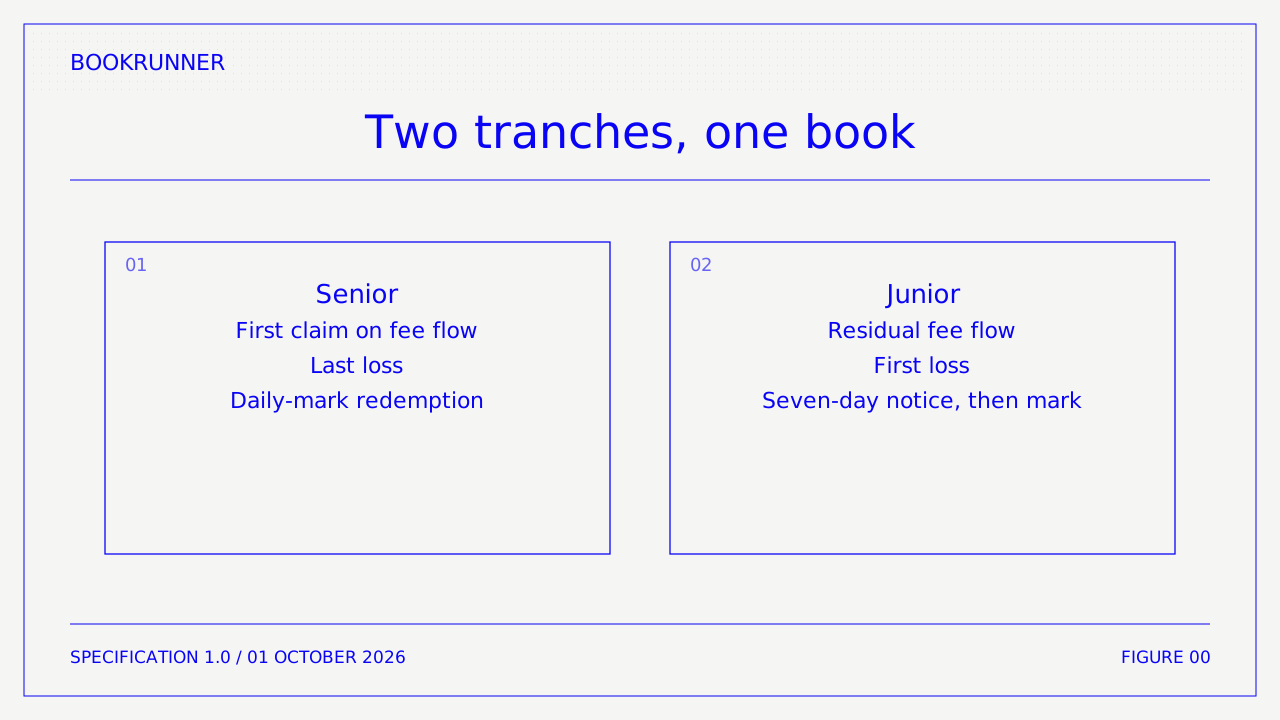
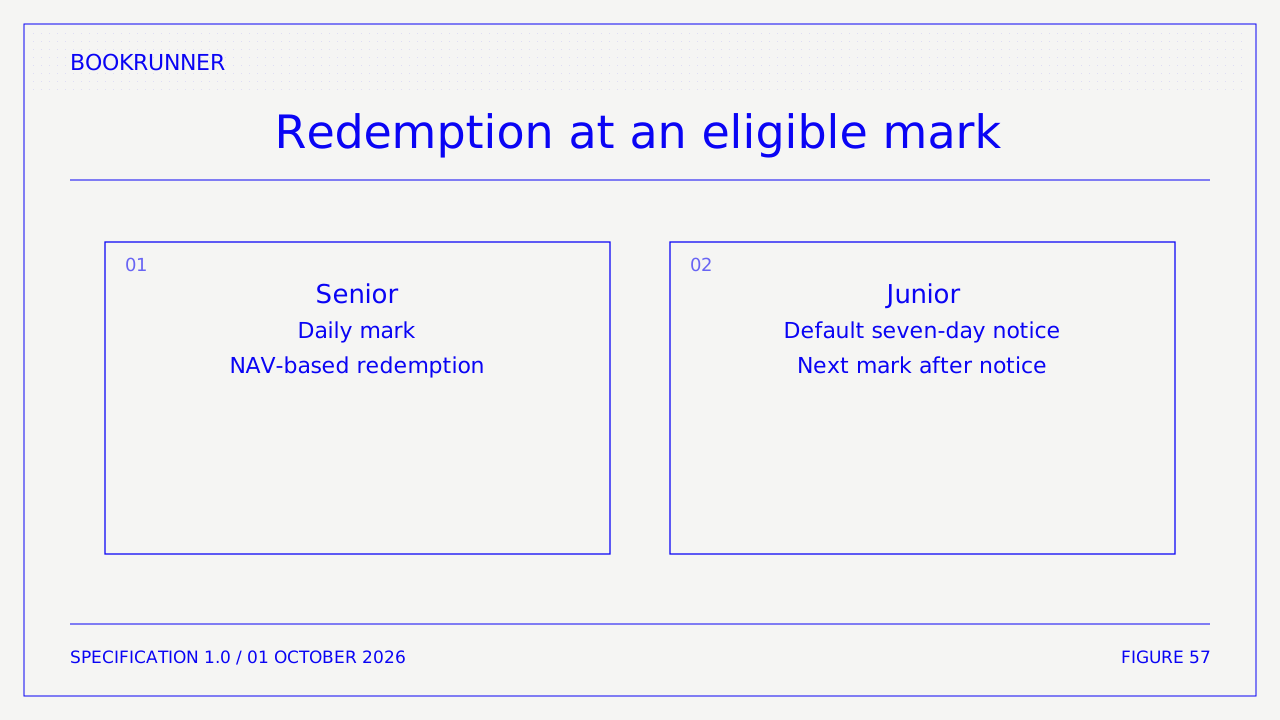
Senior redeems at NAV on the next daily mark. Junior redeems after its notice period and the next daily mark. The default Junior notice is seven days.
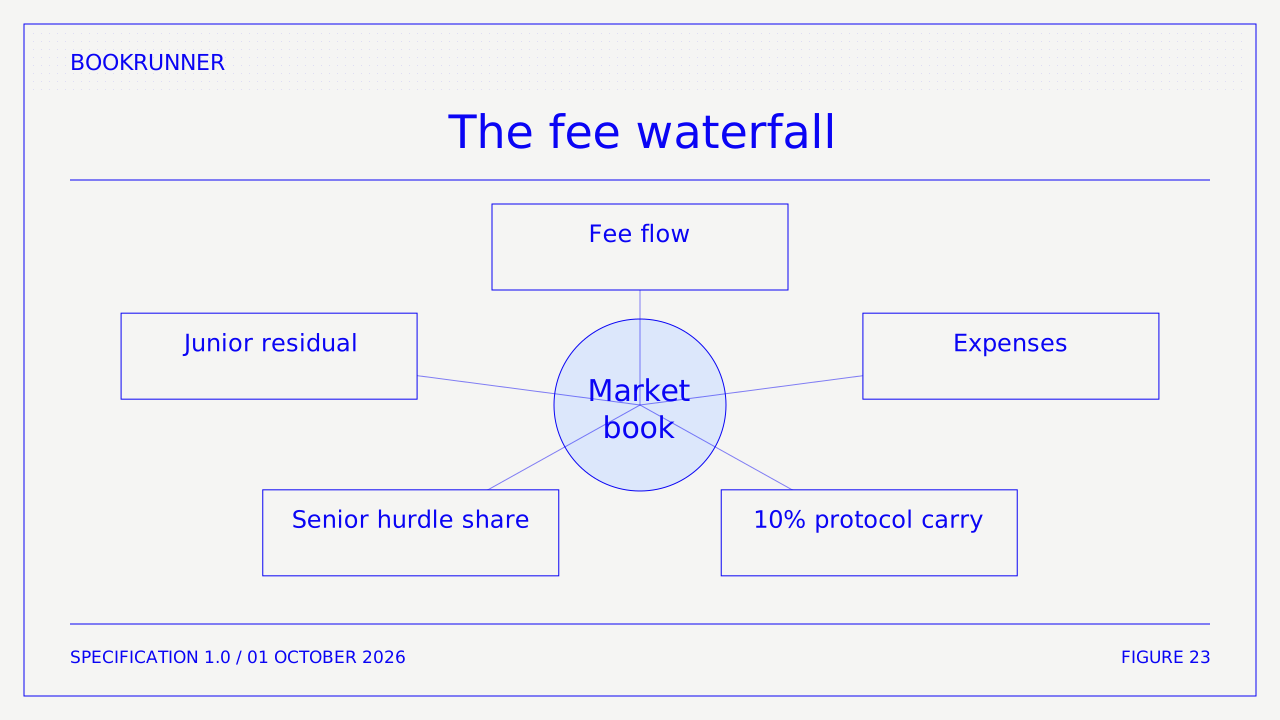
Fee flow pays expenses before ten percent protocol carry. The remaining flow passes through the Senior hurdle share to the Junior residual.
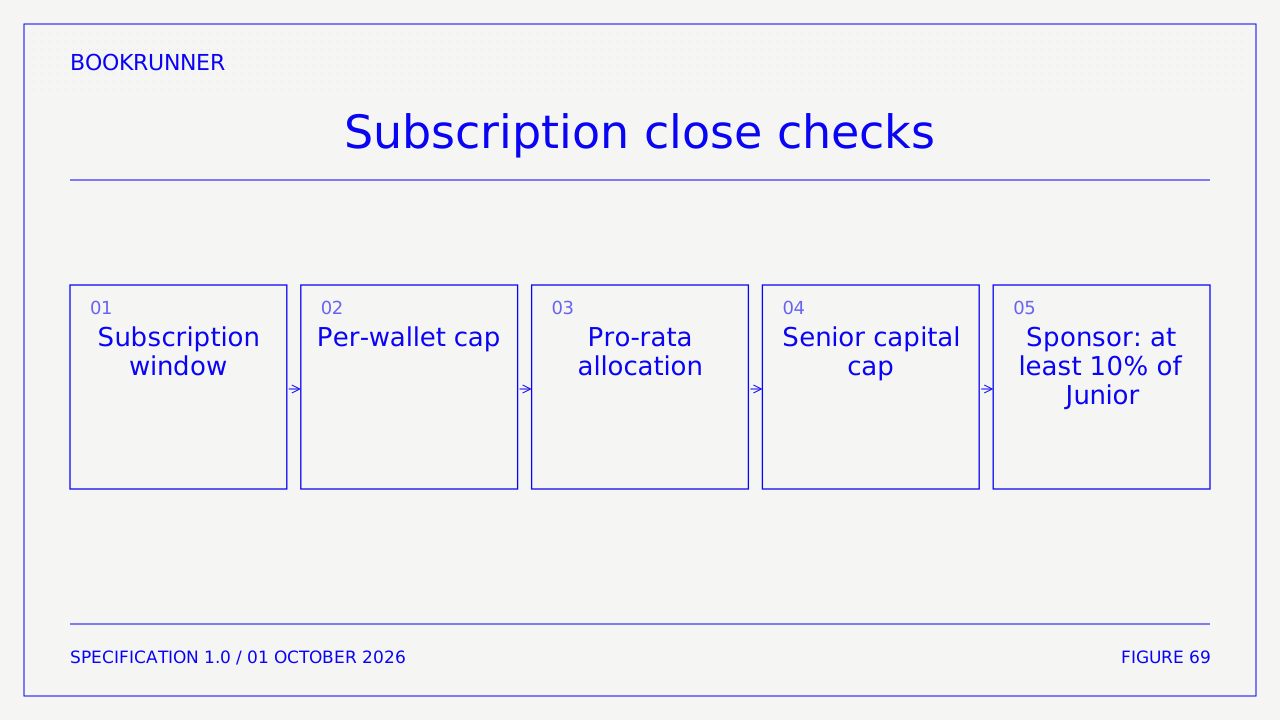
The sponsor holds at least ten percent of Junior when subscriptions close. Sponsor bonds and a flat USDC charter review fee support the filing process.
2.0Methodology
Creative Process
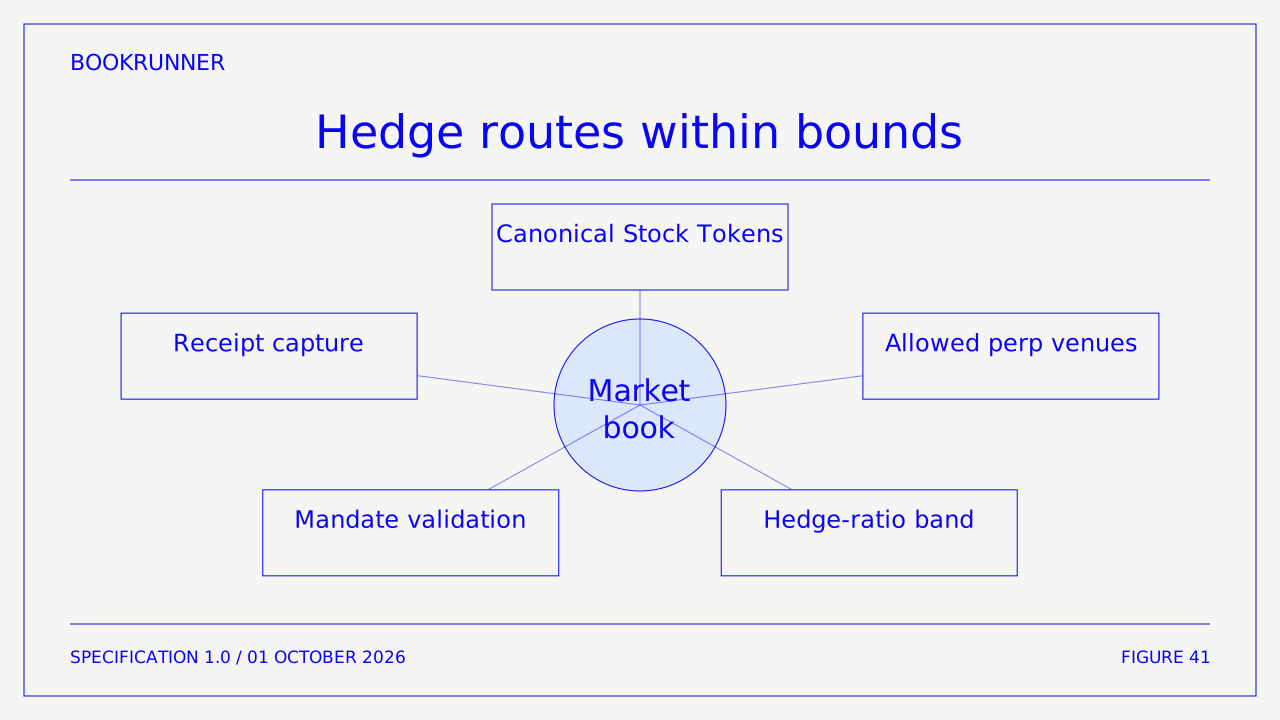
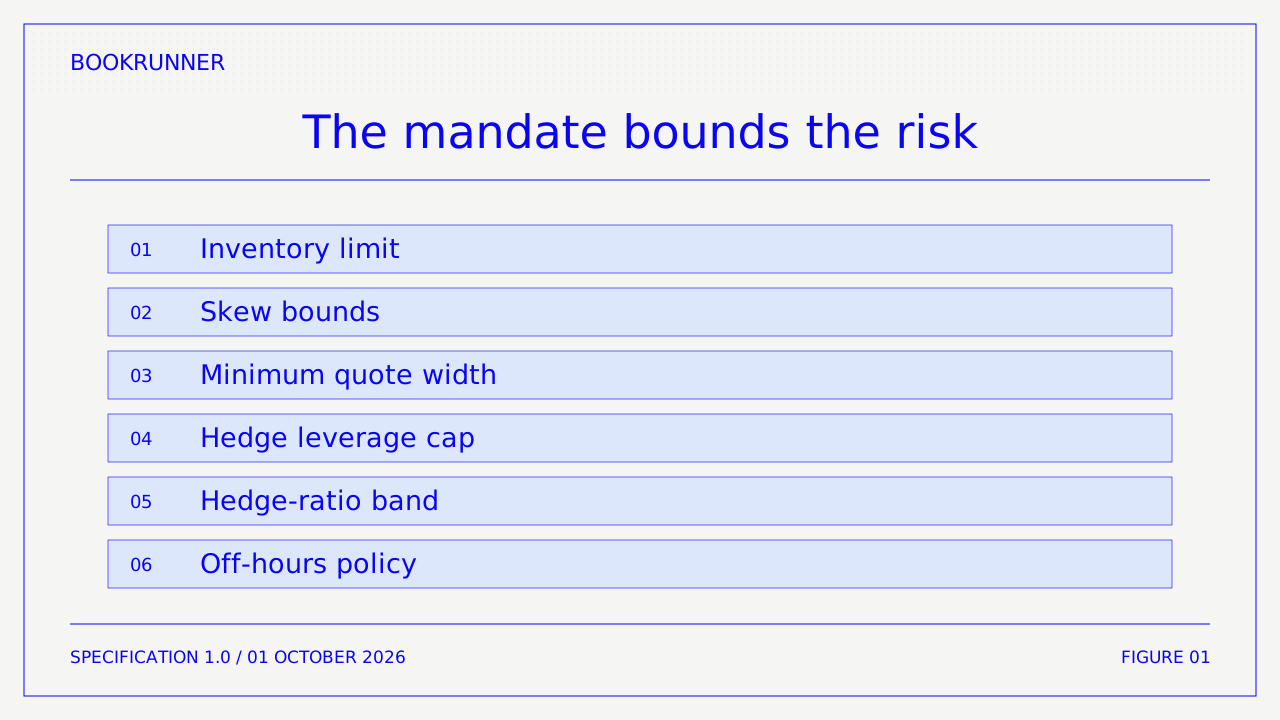
The mandate bounds inventory, skew, minimum quote width, hedge leverage, hedge ratios and off-hours policy. On-chain legs revert when they breach the mandate.
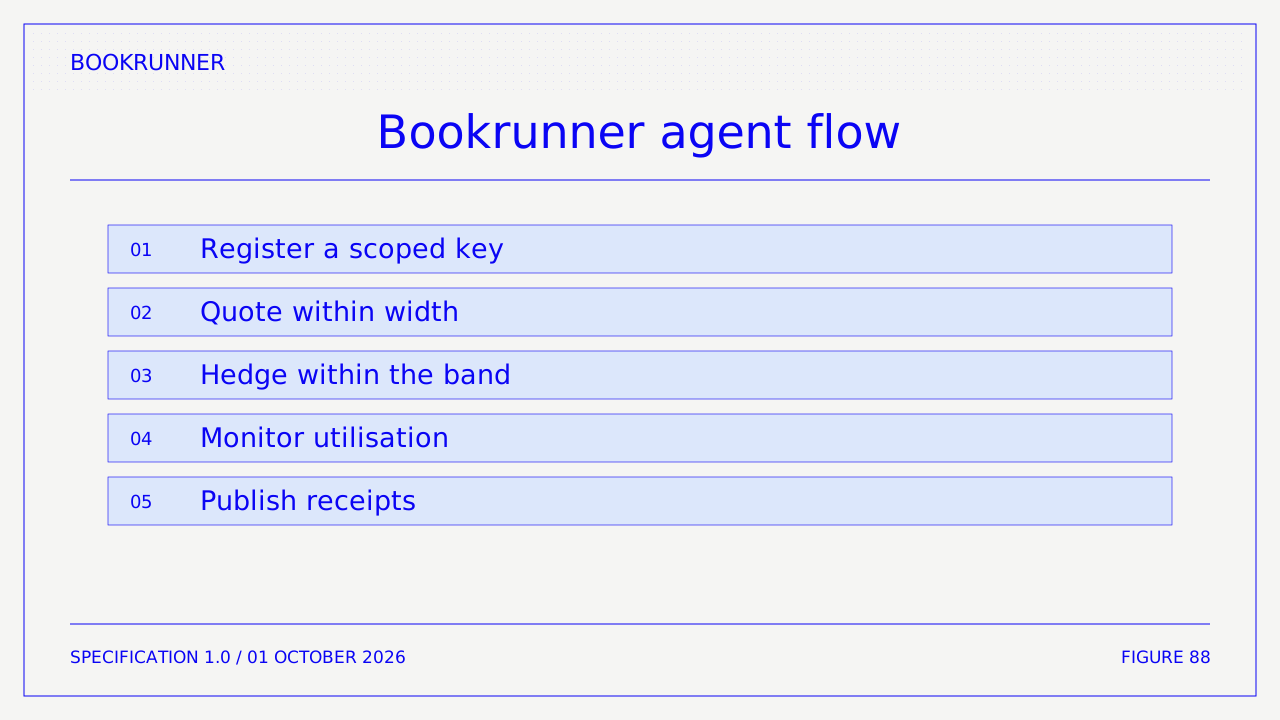
1. NVDA: Agents use venue trade-only keys and scoped on-chain session keys. Venue capital can only be recalled to the UnderwritingVault.
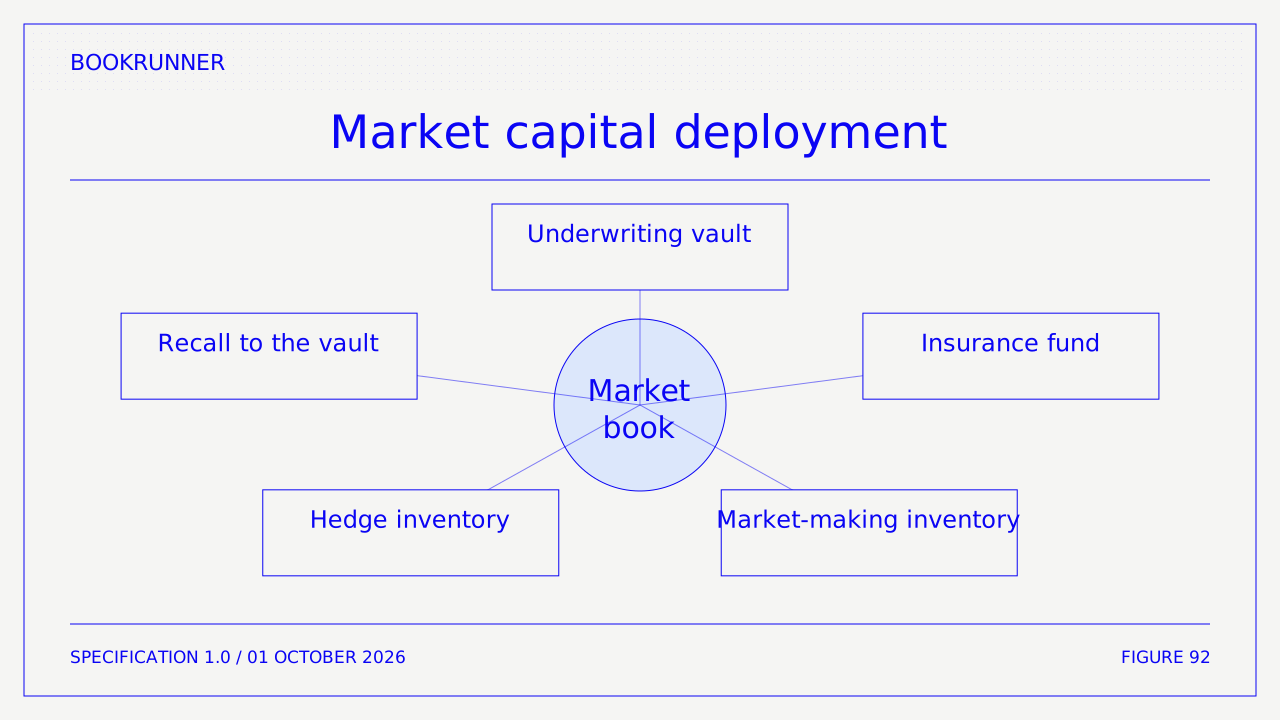
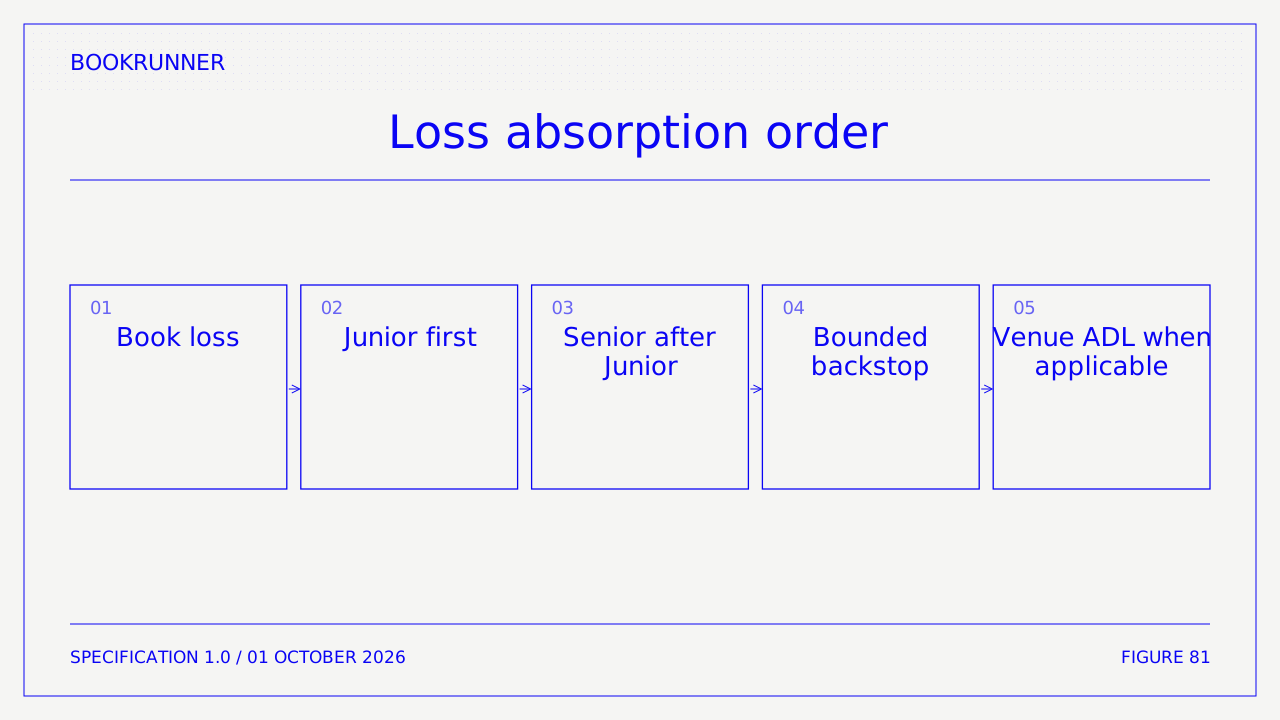
2. TSLA: Junior absorbs loss before Senior, followed by venue ADL. The backstop can cover Senior shortfalls after Junior is exhausted, up to its available balance.
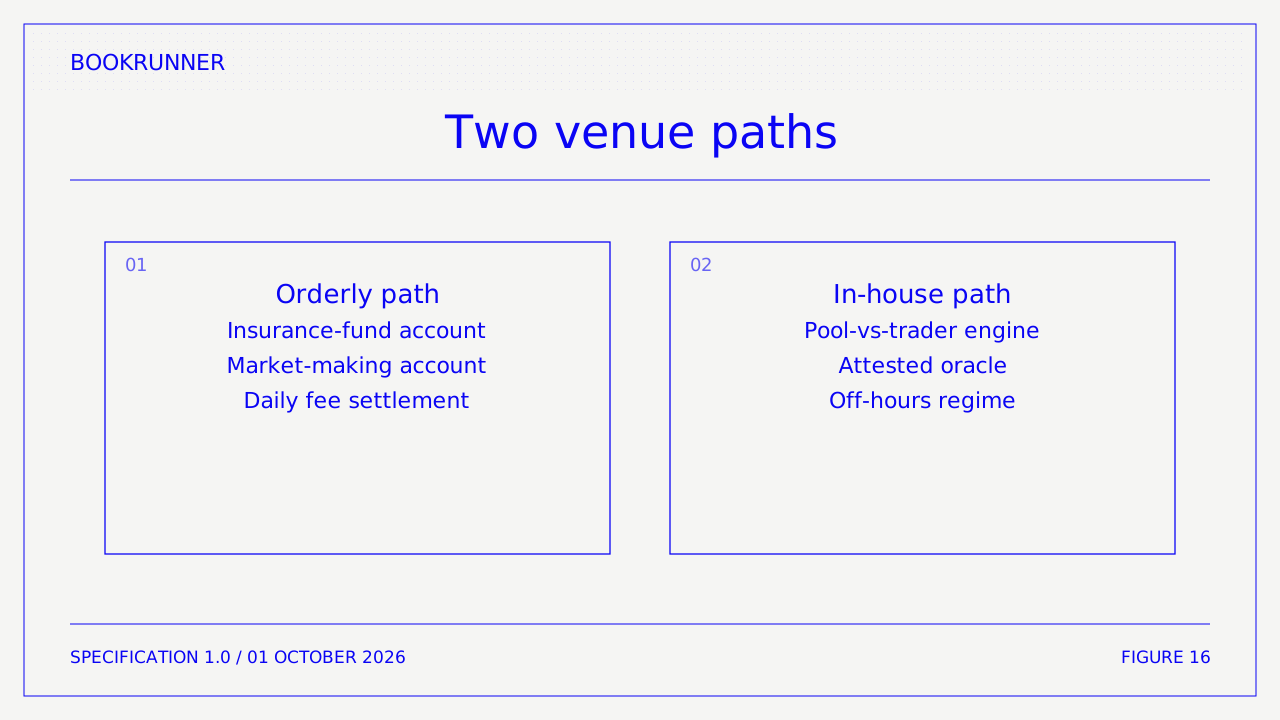
3. Stock index: The specification describes Orderly Perp Anything and an in-house pool-vs-trader engine. Exact venue integration and symbol requirements require deployment verification.
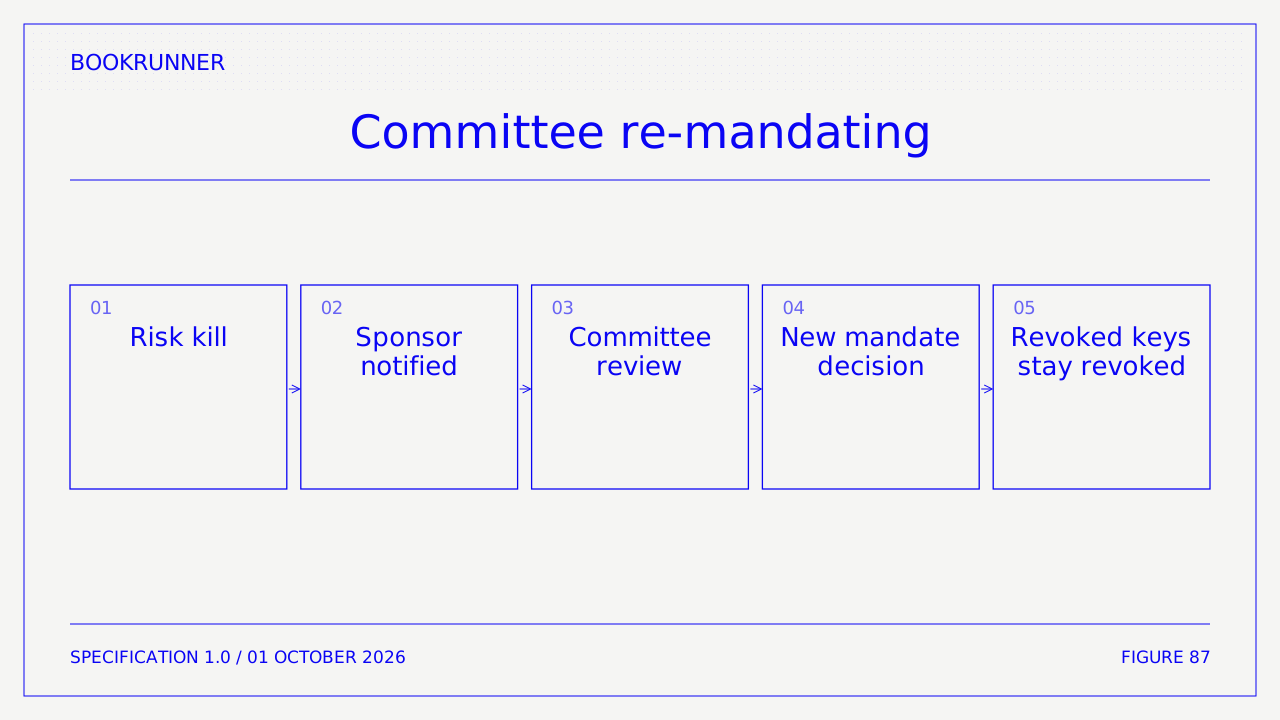
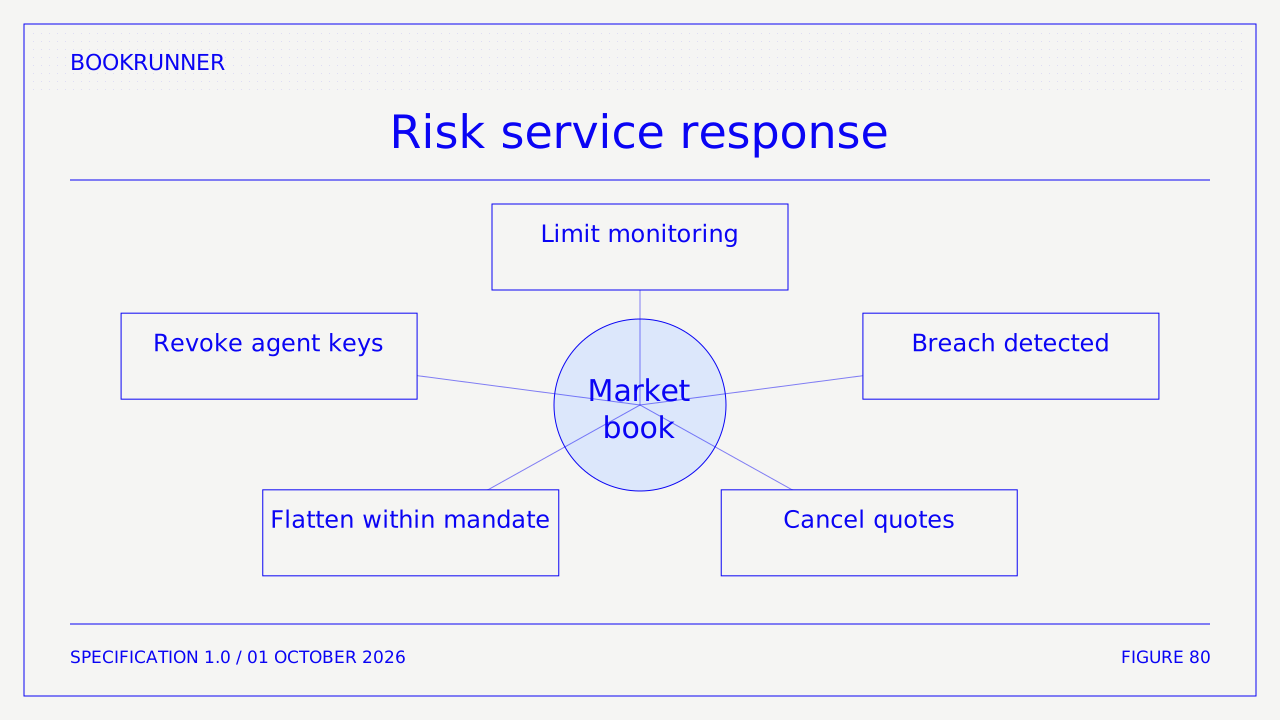
A breach cancels quotes, flattens within the mandate and revokes venue and on-chain desk keys. The sponsor is notified and the committee may re-mandate.
Participants and input data
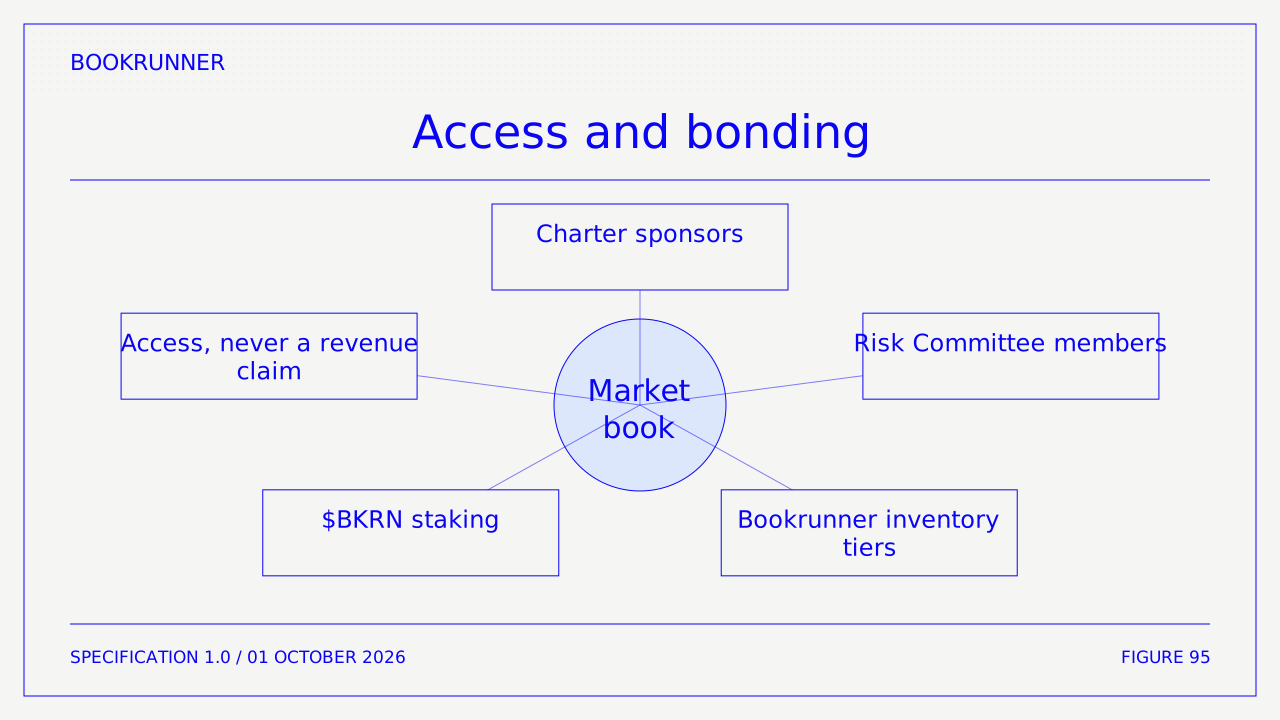
$BKRN supports sponsor bonds, Risk Committee participation and bookrunner inventory tiers above entry. It is not a revenue claim.
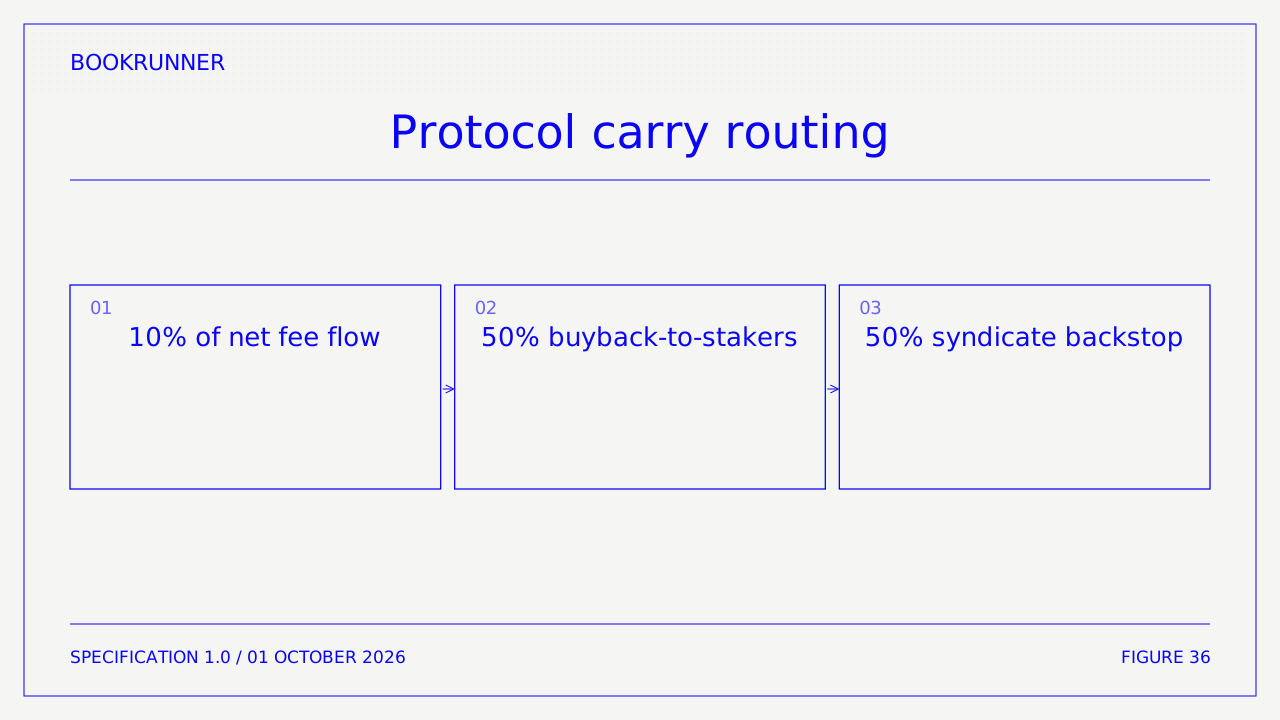
Half the protocol carry is allocated to buyback-to-stakers and half to the syndicate backstop. No capital management fee is specified.
| Creative Professional | Output Type | Model Type |
|---|---|---|
| Brand Design | Brand Image Assets | Text to image, image to image |
| Receipt keepers | Ad Video | Image to video |
| Venue operators | Desktop Applications | Text to code, code to code |
| Charter sponsors | Fee flow | Text to code, code to code |
| Bookrunner agents | Capital | Text to image, image to image |
An affected component may pause deposits, new books or new risk. Redemption remains accessible without a discretionary permission gate.
Evaluation design
Retirement stops quoting, flattens inventory, recalls capital under venue rules and commits a final mark before full redemption.
Underlying, venue, oracle, sessions, insurance-fund target, market-making inventory, mandate, Senior hurdle and cap, subscription window and Junior notice are charter fields.
Capital allocators subscribe to Senior and Junior tranches. A per-market book capitalises the market’s insurance fund and market-making inventory.
- Senior has first claim on fee flow up to its hurdle share. Loss is absorbed by Junior before Senior. Capital can still be lost.
- Junior receives residual fee flow after expenses, protocol carry and the Senior hurdle share. Junior absorbs losses first.
- Senior redeems at NAV on the next daily mark. Junior redeems after its notice period and the next daily mark. The default Junior notice is seven days.
Fee flow pays expenses before ten percent protocol carry. The remaining flow passes through the Senior hurdle share to the Junior residual.
Analysis
The sponsor holds at least ten percent of Junior when subscriptions close. Sponsor bonds and a flat USDC charter review fee support the filing process.
3.0What we found
The mandate bounds inventory, skew, minimum quote width, hedge leverage, hedge ratios and off-hours policy. On-chain legs revert when they breach the mandate.
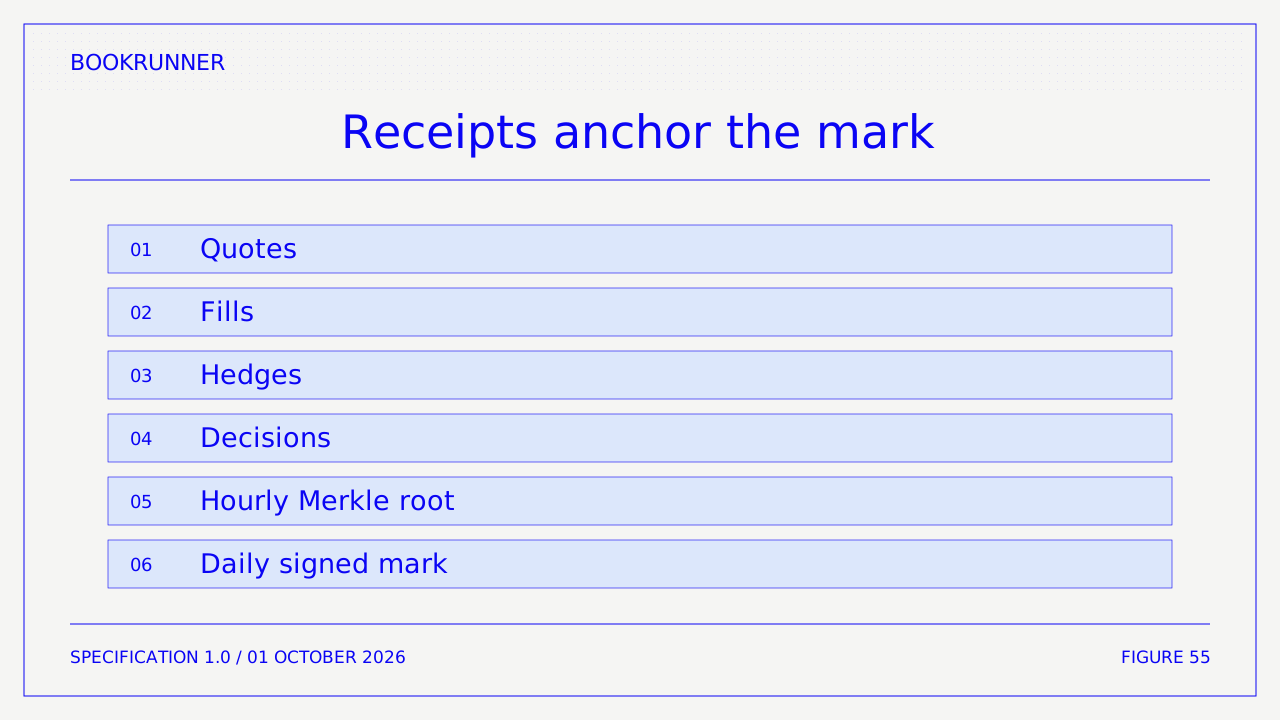
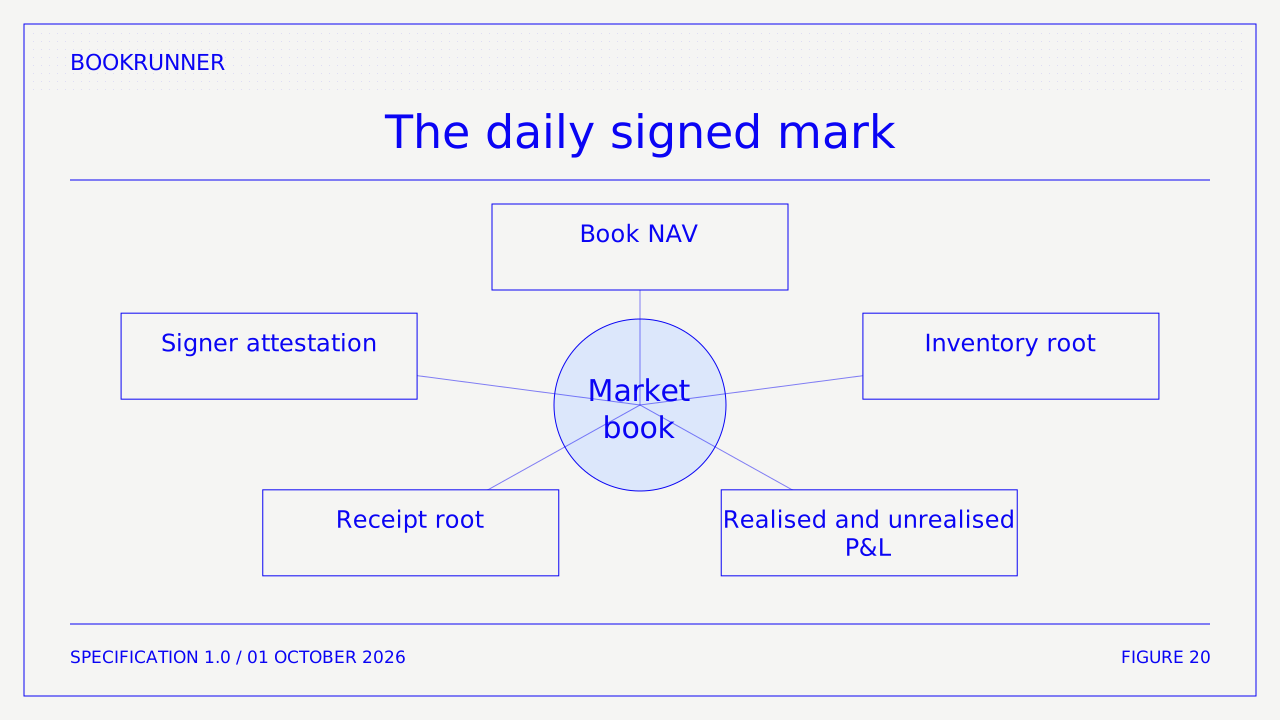
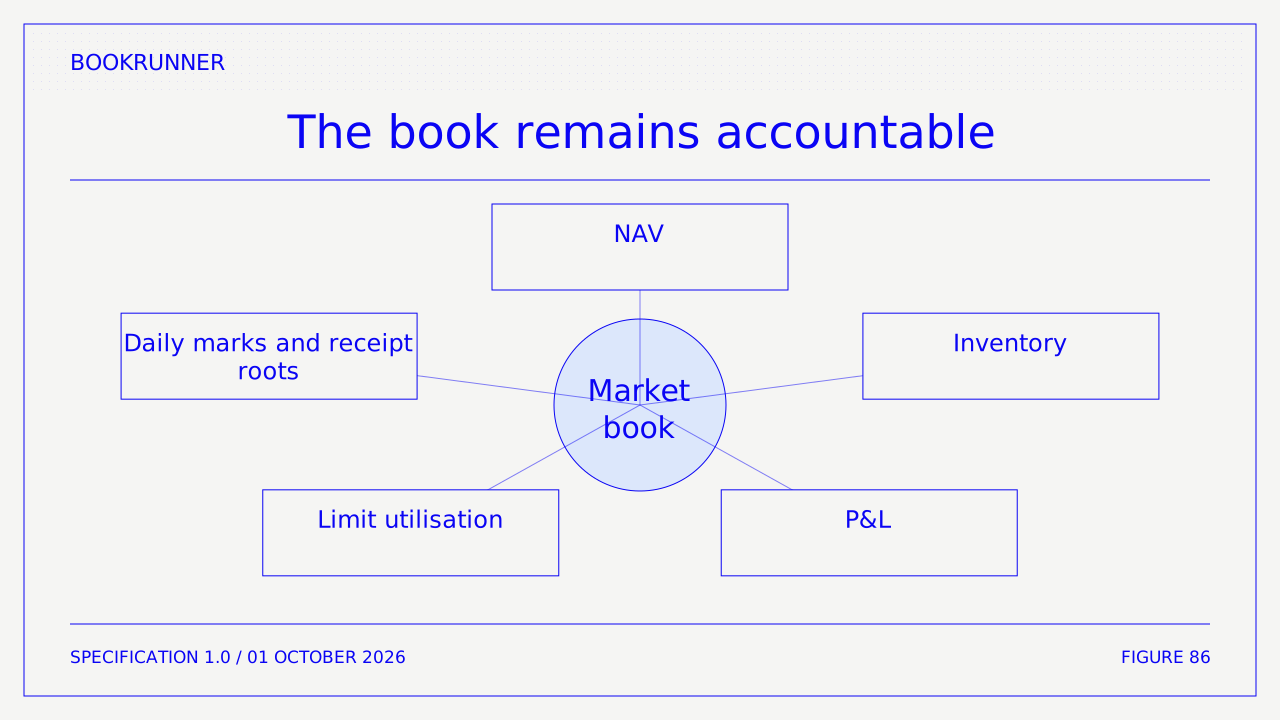
A daily mark includes book NAV, tranche NAVs, inventory root, P&L hash and receipt root. Hourly roots cover quote, fill, hedge and decision activity.
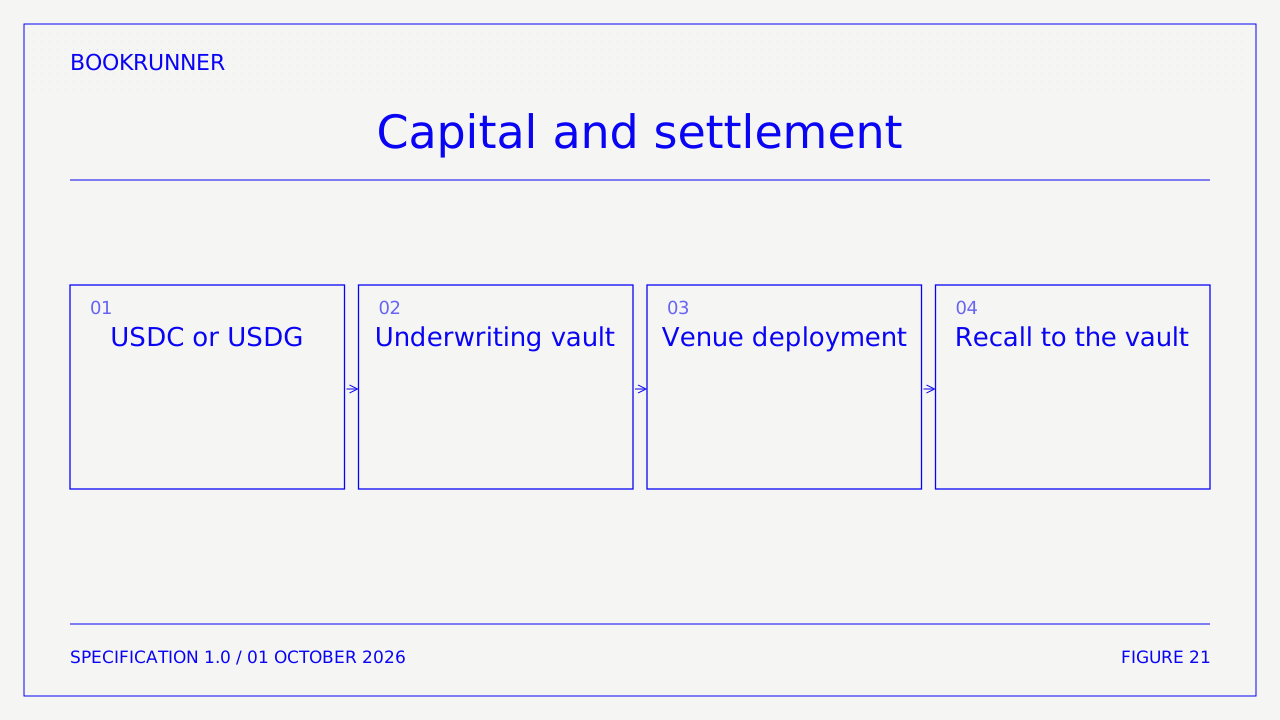
The specification targets Robinhood Chain, chain ID 4663, with USDC or USDG capital. Stock perps are first, including canonical Stock Tokens and indices.
The specification describes Orderly Perp Anything and an in-house pool-vs-trader engine. Exact venue integration and symbol requirements require deployment verification.
“No new risk outside the sessionEvaluator · Desktop App Mockup
“A breach cancels quotes, flattens within the mandate and revokes venue and on-chain desk keys. The sponsor is notified and the committee may re-mandate.Evaluator · Brand Design Ideation
Model and domain insights
$BKRN supports sponsor bonds, Risk Committee participation and bookrunner inventory tiers above entry. It is not a revenue claim.
- Half the protocol carry is allocated to buyback-to-stakers and half to the syndicate backstop. No capital management fee is specified.
- An affected component may pause deposits, new books or new risk. Redemption remains accessible without a discretionary permission gate.
- Retirement stops quoting, flattens inventory, recalls capital under venue rules and commits a final mark before full redemption.
Fee flow
Senior has first claim on fee flow up to its hurdle share. Loss is absorbed by Junior before Senior. Capital can still be lost.
Senior redeems at NAV on the next daily mark. Junior redeems after its notice period and the next daily mark. The default Junior notice is seven days.
Fee flow pays expenses before ten percent protocol carry. The remaining flow passes through the Senior hurdle share to the Junior residual.
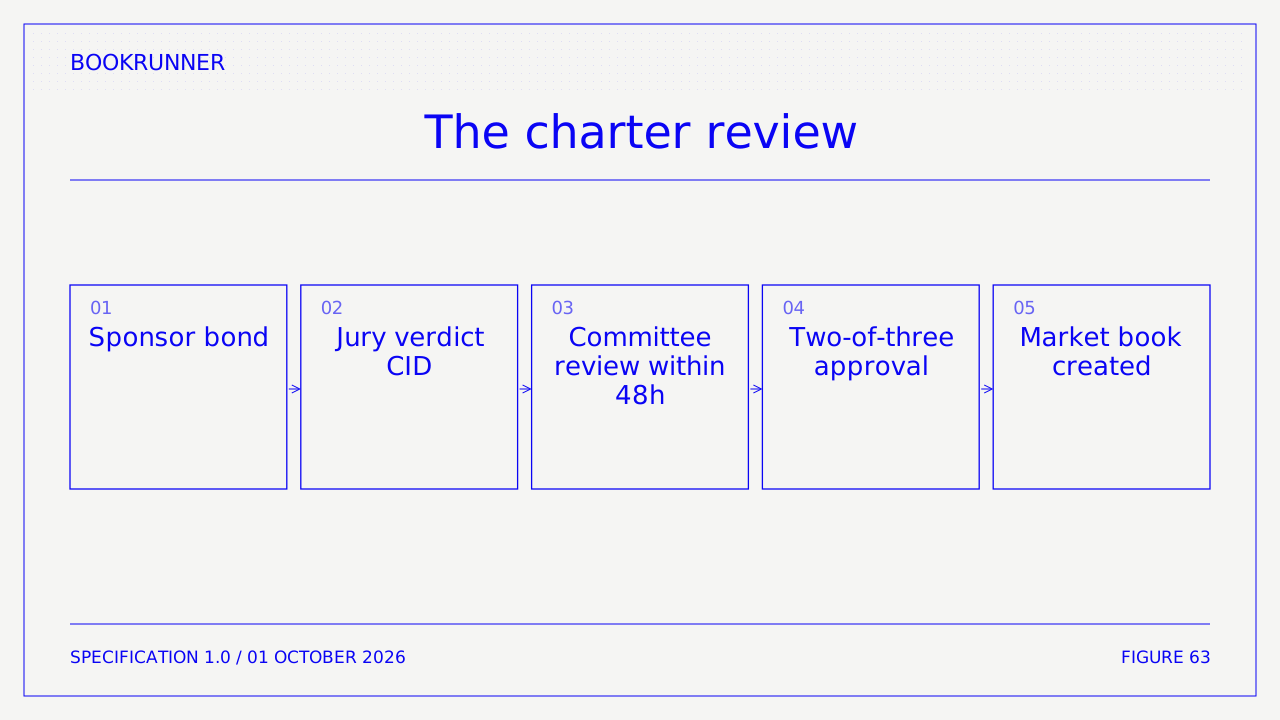
A three-member bonded Risk Committee reviews each charter. Approval requires two votes and a jury verdict CID, with a specified forty-eight-hour review period.
Product Videos
A daily mark includes book NAV, tranche NAVs, inventory root, P&L hash and receipt root. Hourly roots cover quote, fill, hedge and decision activity.
The specification targets Robinhood Chain, chain ID 4663, with USDC or USDG capital. Stock perps are first, including canonical Stock Tokens and indices.
The specification describes Orderly Perp Anything and an in-house pool-vs-trader engine. Exact venue integration and symbol requirements require deployment verification.
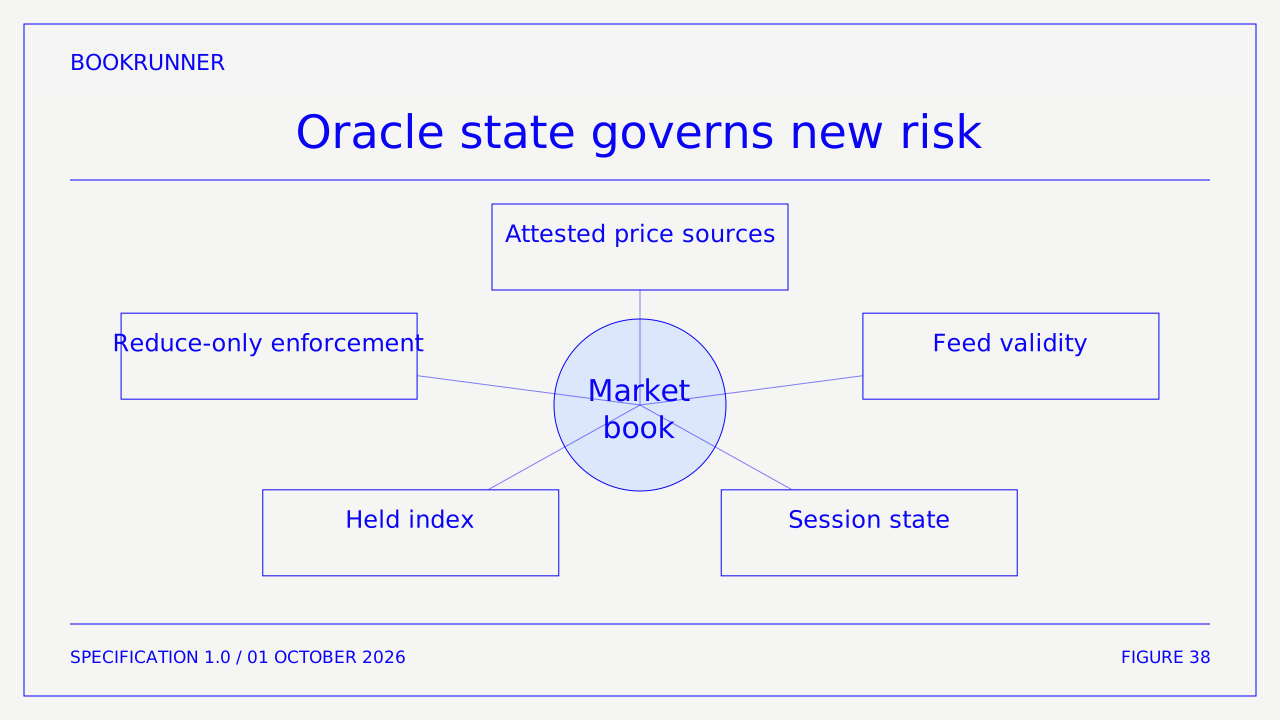
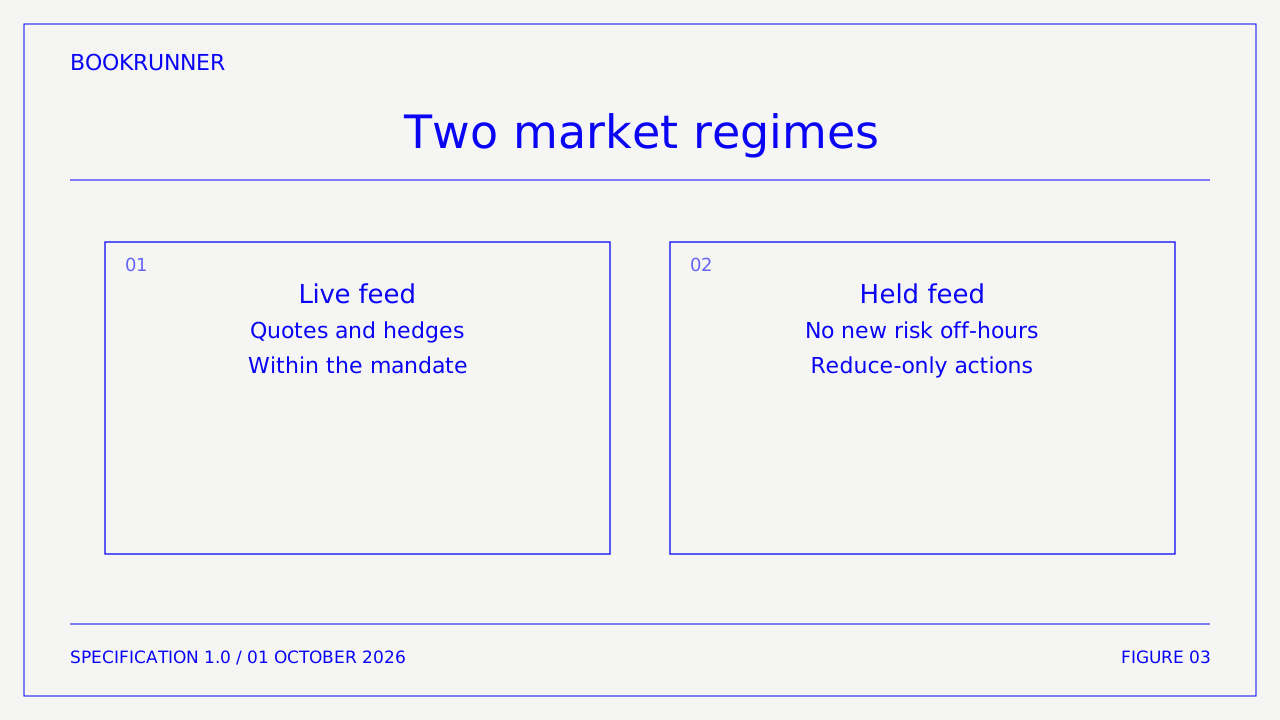
Off-hours and held-price periods are reduce-only. A stale oracle pauses new risk. The in-house engine uses a held index and margin-only liquidation.
Ad Design
Half the protocol carry is allocated to buyback-to-stakers and half to the syndicate backstop. No capital management fee is specified.
Retirement stops quoting, flattens inventory, recalls capital under venue rules and commits a final mark before full redemption.
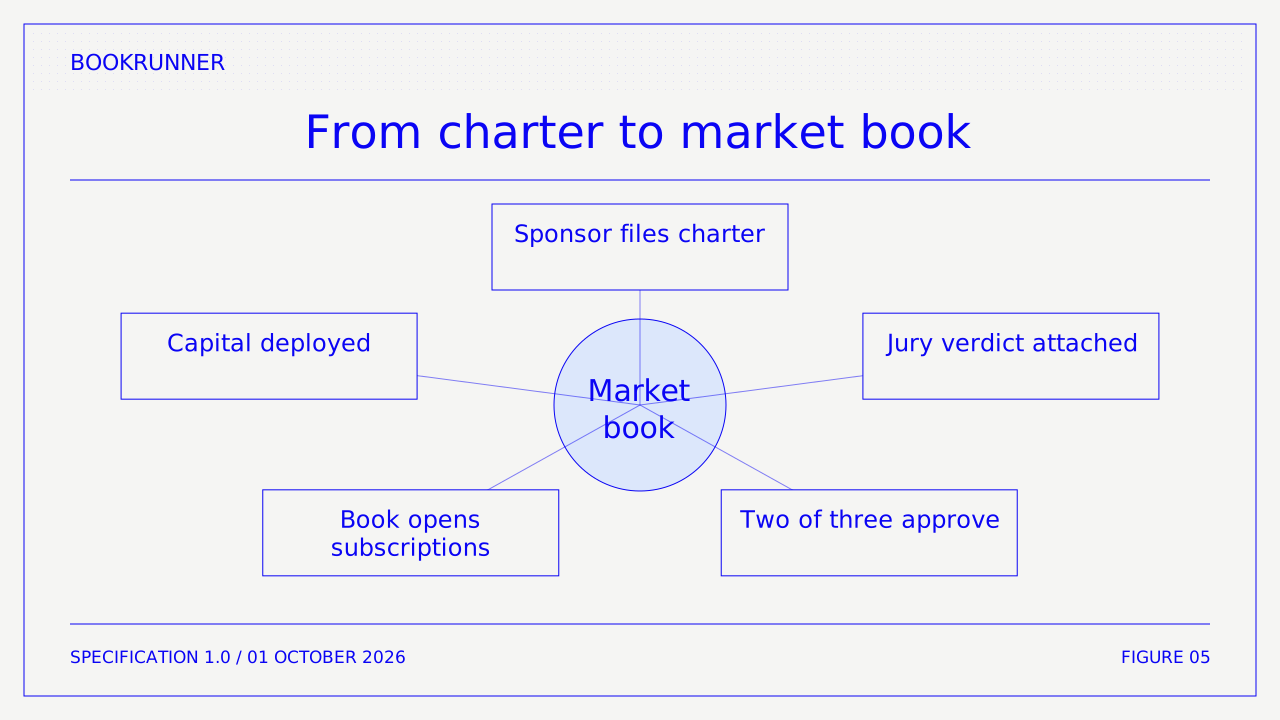
Capital allocators subscribe to Senior and Junior tranches. A per-market book capitalises the market’s insurance fund and market-making inventory.
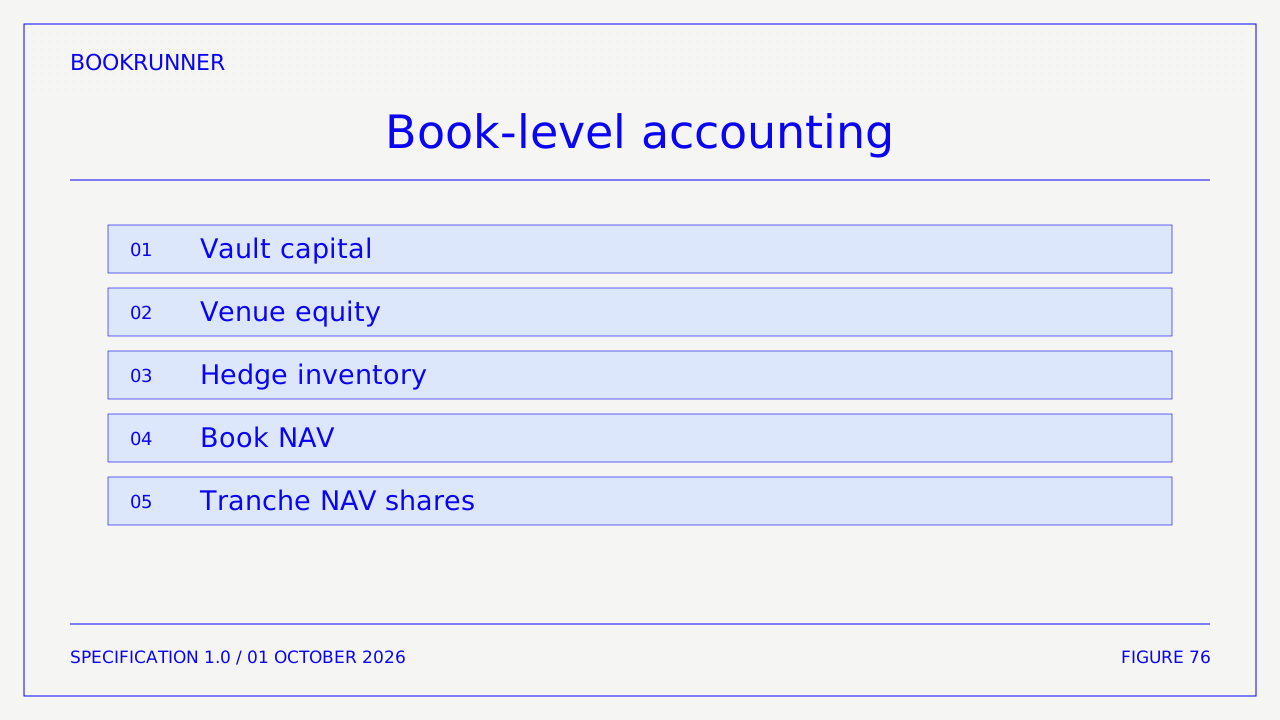
Junior receives residual fee flow after expenses, protocol carry and the Senior hurdle share. Junior absorbs losses first.
Senior redeems at NAV on the next daily mark. Junior redeems after its notice period and the next daily mark. The default Junior notice is seven days.
Desktop Apps
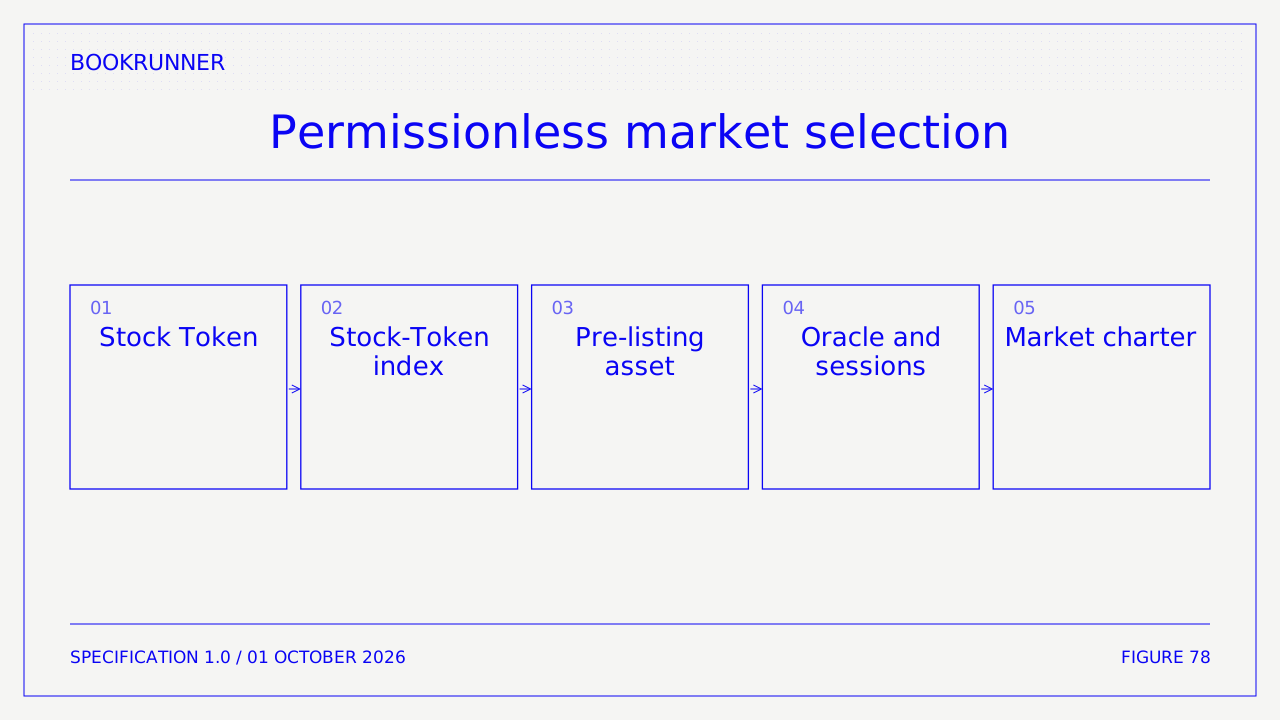
A three-member bonded Risk Committee reviews each charter. Approval requires two votes and a jury verdict CID, with a specified forty-eight-hour review period.
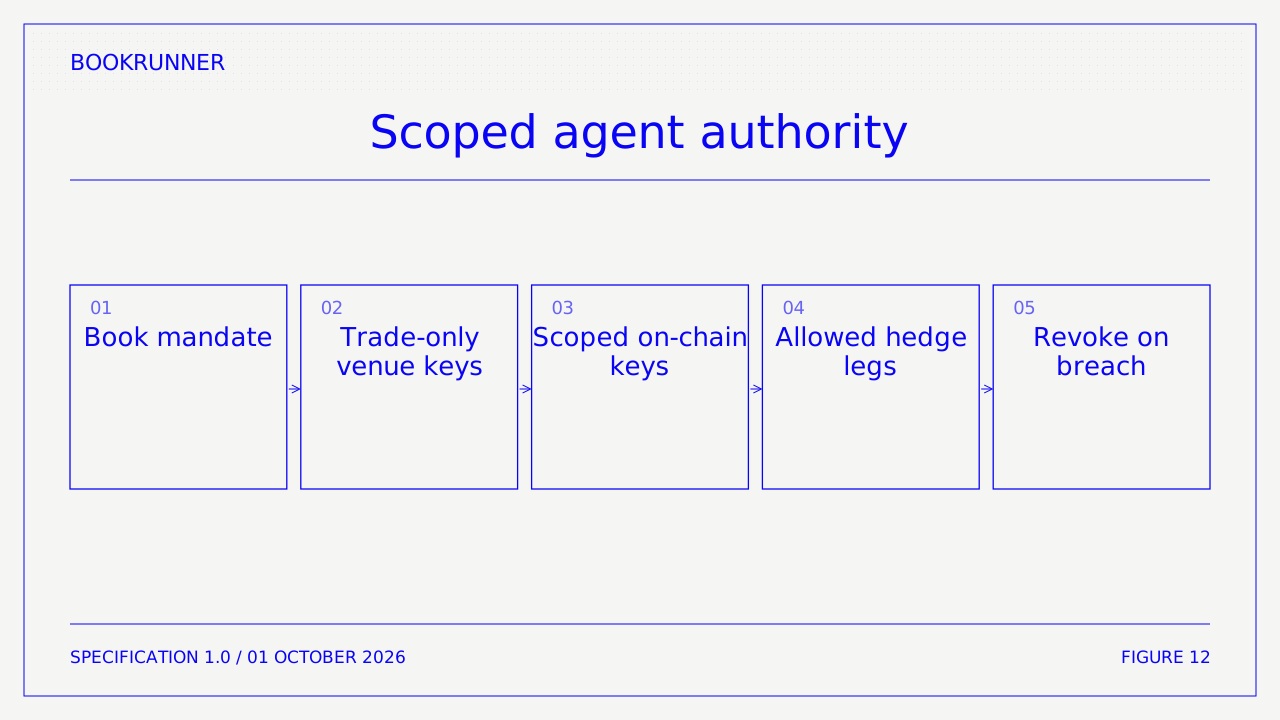
The mandate bounds inventory, skew, minimum quote width, hedge leverage, hedge ratios and off-hours policy. On-chain legs revert when they breach the mandate.
A daily mark includes book NAV, tranche NAVs, inventory root, P&L hash and receipt root. Hourly roots cover quote, fill, hedge and decision activity.
The specification targets Robinhood Chain, chain ID 4663, with USDC or USDG capital. Stock perps are first, including canonical Stock Tokens and indices.
Phase Insights
The specification describes Orderly Perp Anything and an in-house pool-vs-trader engine. Exact venue integration and symbol requirements require deployment verification.
NVDA
Off-hours and held-price periods are reduce-only. A stale oracle pauses new risk. The in-house engine uses a held index and margin-only liquidation.
A breach cancels quotes, flattens within the mandate and revokes venue and on-chain desk keys. The sponsor is notified and the committee may re-mandate.
Half the protocol carry is allocated to buyback-to-stakers and half to the syndicate backstop. No capital management fee is specified.
Retirement stops quoting, flattens inventory, recalls capital under venue rules and commits a final mark before full redemption.
TSLA
Underlying, venue, oracle, sessions, insurance-fund target, market-making inventory, mandate, Senior hurdle and cap, subscription window and Junior notice are charter fields.
Capital allocators subscribe to Senior and Junior tranches. A per-market book capitalises the market’s insurance fund and market-making inventory.
Junior receives residual fee flow after expenses, protocol carry and the Senior hurdle share. Junior absorbs losses first.
Stock index
Fee flow pays expenses before ten percent protocol carry. The remaining flow passes through the Senior hurdle share to the Junior residual.
The sponsor holds at least ten percent of Junior when subscriptions close. Sponsor bonds and a flat USDC charter review fee support the filing process.
A three-member bonded Risk Committee reviews each charter. Approval requires two votes and a jury verdict CID, with a specified forty-eight-hour review period.
The mandate bounds inventory, skew, minimum quote width, hedge leverage, hedge ratios and off-hours policy. On-chain legs revert when they breach the mandate.
A daily mark includes book NAV, tranche NAVs, inventory root, P&L hash and receipt root. Hourly roots cover quote, fill, hedge and decision activity.
Junior absorbs loss before Senior, followed by venue ADL. The backstop can cover Senior shortfalls after Junior is exhausted, up to its available balance.
4.0Limitations
The specification targets Robinhood Chain, chain ID 4663, with USDC or USDG capital. Stock perps are first, including canonical Stock Tokens and indices.
The specification describes Orderly Perp Anything and an in-house pool-vs-trader engine. Exact venue integration and symbol requirements require deployment verification.
Off-hours and held-price periods are reduce-only. A stale oracle pauses new risk. The in-house engine uses a held index and margin-only liquidation.
A breach cancels quotes, flattens within the mandate and revokes venue and on-chain desk keys. The sponsor is notified and the committee may re-mandate.
5.0Implications
For Model Developers
$BKRN supports sponsor bonds, Risk Committee participation and bookrunner inventory tiers above entry. It is not a revenue claim.
Half the protocol carry is allocated to buyback-to-stakers and half to the syndicate backstop. No capital management fee is specified.
Retirement stops quoting, flattens inventory, recalls capital under venue rules and commits a final mark before full redemption.
Underlying, venue, oracle, sessions, insurance-fund target, market-making inventory, mandate, Senior hurdle and cap, subscription window and Junior notice are charter fields.
For Tool Builders
Capital allocators subscribe to Senior and Junior tranches. A per-market book capitalises the market’s insurance fund and market-making inventory.
For Creatives
Senior has first claim on fee flow up to its hurdle share. Loss is absorbed by Junior before Senior. Capital can still be lost.
For the Industry
Junior receives residual fee flow after expenses, protocol carry and the Senior hurdle share. Junior absorbs losses first.
Senior redeems at NAV on the next daily mark. Junior redeems after its notice period and the next daily mark. The default Junior notice is seven days.
6.0Future research
Fee flow pays expenses before ten percent protocol carry. The remaining flow passes through the Senior hurdle share to the Junior residual.
The sponsor holds at least ten percent of Junior when subscriptions close. Sponsor bonds and a flat USDC charter review fee support the filing process.
A three-member bonded Risk Committee reviews each charter. Approval requires two votes and a jury verdict CID, with a specified forty-eight-hour review period.
The mandate bounds inventory, skew, minimum quote width, hedge leverage, hedge ratios and off-hours policy. On-chain legs revert when they breach the mandate.